
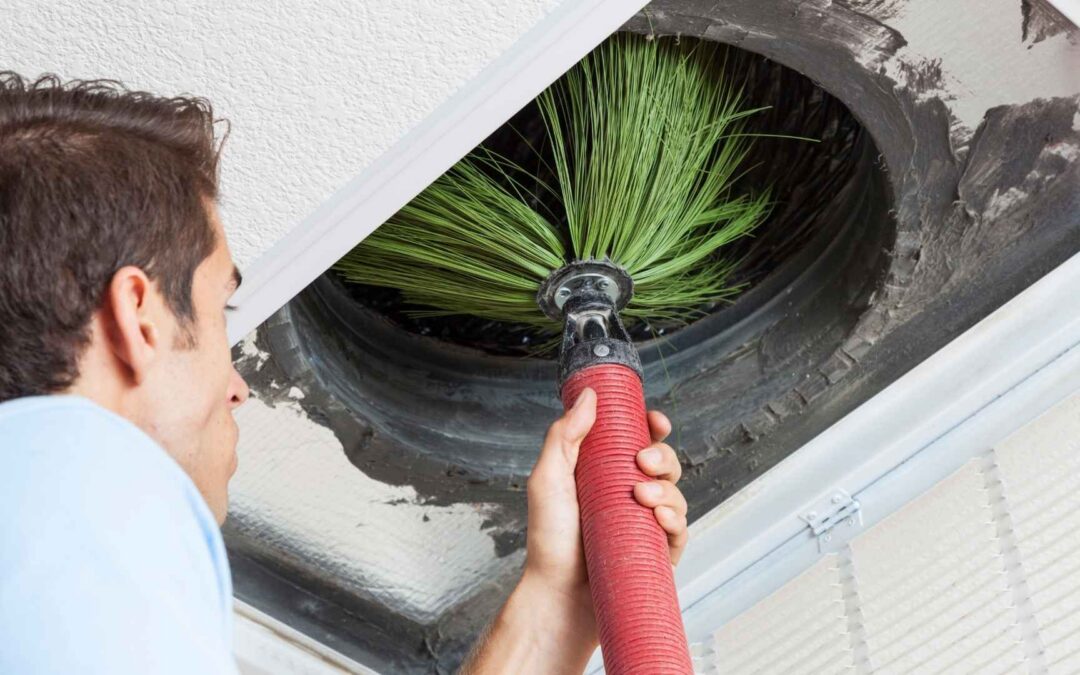
Most homeowners spend a great deal of time thinking about heating costs, cooling efficiency, and thermostat settings. Very few stop to think about what is actually moving through their ductwork every single day. Duct cleaning is one of the most overlooked home maintenance services, yet it has a direct and measurable impact on the air you breathe inside your home. Understanding what builds up inside your ducts and what professional cleaning can do about it is the first step toward a healthier living environment.
The air inside a typical American home can be two to five times more polluted than the air outside, according to the U.S. Environmental Protection Agency. Much of that pollution circulates through your HVAC system repeatedly throughout the day. Without regular duct cleaning, those contaminants do not simply disappear. They accumulate, recirculate, and settle throughout your living spaces in ways that can affect the health and comfort of everyone in the household.
What Builds Up Inside Your Ducts Over Time
Every time your HVAC system runs, it pulls air from throughout your home and pushes it back out through the ducts. Along the way, it picks up and redistributes whatever is floating in that air. Dust, pet dander, pollen, mold spores, bacteria, and even insect debris can all find their way into your ductwork and settle on interior surfaces over time. Without periodic cleaning, these layers build up year after year into a reservoir of contaminants that no air filter can fully address.
Homes in regions with harsh seasonal swings face a particular challenge. Long winters mean extended periods of closed windows and recirculated indoor air, while humid summers create conditions where moisture can enter ductwork and encourage mold growth. The combination of these factors makes duct cleaning especially valuable for homeowners in climates with significant seasonal variation, particularly those who have not had service done in several years. Scheduling duct cleaning before peak heating or cooling season helps ensure your system is ready to perform when you need it most.
Construction or renovation work is another major contributor to duct contamination. Fine particles from drywall dust, sawdust, and insulation materials can enter the system and settle deeply inside the ductwork. Even if your home was recently built or remodeled, a professional duct cleaning can remove the residue left behind by the construction process and give your system a clean baseline to operate from.
The Health Benefits of Professional Duct Cleaning
For households with allergy sufferers or asthma patients, duct cleaning can make a noticeable difference in day-to-day symptoms. When allergens like pollen, dust mites, and pet dander accumulate inside ductwork, the HVAC system essentially becomes a delivery mechanism, pushing those irritants directly into the breathing zones of the people living in the home. Regular cleaning interrupts that cycle and reduces the volume of airborne allergens circulating through your living spaces.
Mold is a more serious concern that professional duct cleaning can help address directly. When moisture finds its way into ductwork, whether from humidity, condensation, or a slow leak, mold spores can take hold and spread through the system. Mold exposure is linked to respiratory issues, headaches, fatigue, and immune system responses. Professional duct cleaning that includes antimicrobial treatment can eliminate existing mold and reduce the likelihood of regrowth going forward.
Children and elderly residents are particularly vulnerable to poor indoor air quality. Their immune systems and respiratory tracts are either still developing or more susceptible to environmental stressors. Investing in duct cleaning as part of a routine home maintenance plan is one of the most direct ways to protect the people in your household who are most at risk from airborne contaminants. For families with infants or anyone managing a chronic respiratory condition, this service is worth prioritizing.
How Duct Cleaning Affects HVAC Efficiency
The benefits of duct cleaning extend well beyond air quality alone. When debris accumulates inside ductwork, it creates resistance that forces your HVAC system to work harder to move air through the system. That extra strain translates directly into higher energy consumption and increased wear on system components. A clogged system does not heat or cool as effectively, which means longer run times and higher utility bills month after month.
According to the U.S. Department of Energy, heating and cooling accounts for approximately 48 percent of the energy use in a typical American home, making it the largest single energy expense for most households. Even a modest improvement in system efficiency following duct cleaning can add up to meaningful savings over a heating and cooling season. For homeowners running their systems hard through both summer and winter, those savings add up quickly.
Clean ductwork also extends the life of your equipment. When a blower motor has to work against restricted airflow, it runs hotter and wears out faster. Filters clog more quickly when the duct system is pushing heavy loads of debris through them, leading to more frequent replacements and potential system damage if filters are not changed on time. Duct cleaning is a maintenance investment that pays dividends in both equipment longevity and day-to-day operating costs.
Signs Your Home Is Overdue for Duct Cleaning
One of the clearest indicators that duct cleaning is needed is visible dust buildup around your supply and return air vents. If you notice a ring of dust or discoloration around vent covers, that residue is a small sample of what exists throughout the rest of the system. Another common sign is a musty or stale odor when the HVAC system first kicks on. That smell often comes from biological material inside the ductwork being pushed into the living space along with conditioned air.
If residents in your home have noticed unexplained allergy flare-ups, increased sneezing, or persistent respiratory irritation, the duct system is worth investigating. These symptoms often intensify when the HVAC system is running and improve when windows are open, which is a strong signal that the air being circulated is carrying contaminants. Scheduling a duct cleaning is a logical and cost-effective first step before exploring other solutions.
Homes that have recently been purchased, renovated, or occupied by new pets are also strong candidates for duct cleaning. Previous owners may not have maintained the system consistently, and pet dander from animals can saturate ductwork in ways that are difficult to detect without a professional inspection. A thorough assessment of your duct system can quickly reveal whether a full duct cleaning service is warranted and what the scope of the work should include.
What to Expect During a Professional Duct Cleaning
A professional duct cleaning service involves far more than running a vacuum through a few vents. Certified technicians use specialized equipment, including high-powered vacuums, rotary brushes, and compressed air tools, to dislodge and remove debris from the full length of the duct system. The process typically covers supply ducts, return ducts, registers, grilles, diffusers, the air handler, heat exchangers, coils, drip pans, and the blower motor housing.
The U.S. Environmental Protection Agency recommends that any duct cleaning service cover the entire HVAC system as a unit, not just the visible duct openings. Cleaning only portions of the system can result in re-contamination of areas that were just serviced, which negates the benefit of the work. Choosing a company that follows this whole-system approach ensures you are getting a complete duct cleaning rather than a surface-level treatment.
Most duct cleaning services for a standard residential home take between two and four hours to complete. After the service, you should notice improved airflow from vents, reduced dust accumulation on surfaces, and in many cases, a noticeably fresher smell from the system. A reputable technician will also flag any issues found during the duct cleaning process, such as leaks, gaps, or areas with signs of mold, so you can address those problems before they worsen.
How Often Should You Schedule Duct Cleaning?
Industry guidelines recommend duct cleaning every three to five years for most residential properties. However, certain conditions warrant more frequent service. Homes with pets that shed heavily, residents with chronic respiratory conditions, or properties that have undergone significant renovation work may benefit from scheduling duct cleaning every two to three years. Your HVAC technician can assess your system and recommend an appropriate maintenance interval based on what they observe during the visit.
Pairing your duct cleaning schedule with other routine HVAC maintenance makes the process easier to track and ensures your whole system stays in good working condition. Many homeowners choose to schedule duct cleaning alongside their annual furnace or AC tune-up, which creates a natural checkpoint to evaluate the condition of the full system. Building this habit early is far less costly than addressing the cumulative problems that come from years of neglect.
Choosing the Right Duct Cleaning Company
Not all duct cleaning companies deliver the same quality of service. When evaluating providers, look for NADCA-certified technicians, transparent pricing, and a willingness to explain the duct cleaning process before any work begins. A reputable duct cleaning company will conduct a visual inspection before quoting the job and will show you before-and-after photos or a video of the ductwork so you can see the difference the service made. Be cautious of companies offering extremely low flat-rate prices, as these often involve limited-scope work that leaves much of the system untouched.
It is also worth asking whether the duct cleaning provider offers complementary services that address the root causes of contamination. Duct sealing, for example, prevents outside air and debris from re-entering the system after a duct cleaning has been completed. A UV light system installed in the air handler can further reduce mold and bacteria growth inside the ductwork between service intervals. Combining duct cleaning with these preventive measures gives you the most comprehensive protection for your indoor air quality.
Ready to Breathe Easier? Contact It’s Your Heating and Cooling Guy
If you cannot remember the last time your ducts were cleaned, or if you have noticed any of the warning signs described above, now is the right time to take action. At It’s Your Heating and Cooling Guy, our certified technicians provide thorough, professional duct cleaning for homeowners in your area. We follow industry-standard protocols to ensure your entire system is cleaned properly, not just the parts you can see.
Better indoor air quality, improved HVAC efficiency, and a healthier home environment are all within reach. Do not wait for symptoms to worsen or your energy bills to climb before making this investment in your home and your family. Contact us today to schedule your duct cleaning service and take the first step toward cleaner, healthier air in your home.
Recent Comments