
When winter hits Michigan, temperatures can plummet fast—sometimes well below freezing for days at a time. These extreme conditions can wreak havoc on your home’s heating system if it isn’t properly maintained. Frozen pipes and boiler breakdowns are among the most common (and most expensive) cold-weather boiler problems homeowners face each year.
Fortunately, with proper boiler maintenance in, you can protect your heating system, prevent frozen pipes, and ensure a warm, comfortable home all season long. This comprehensive guide will cover everything you need to know to prepare your home and heating system for the brutal Michigan winter ahead.
Why Boiler Maintenance in Michigan Matters So Much
Michigan’s winter climate is no joke. When the mercury dips below zero, your boiler works overtime to keep your home warm. Without regular boiler maintenance, wear and tear can lead to system inefficiency, leaks, and even complete failure.
Here’s why proper boiler maintenance is essential:
- Energy efficiency: Regular cleaning and inspection reduce wasted energy, saving you money on heating bills.
- Safety: Gas and oil boilers need maintenance to prevent carbon monoxide leaks and pressure buildup.
- Longevity: Well-maintained boilers can last 15–20 years or more, while neglected systems often fail in under a decade.
- Reliability: Preventing unexpected breakdowns during a deep freeze ensures peace of mind when you need heat the most.
Understanding the Risks: Frozen Pipes and Boiler Problems
Frozen pipes and boiler problems are closely linked. When pipes freeze, they can block water flow to your boiler, causing it to shut down or overheat. Likewise, if your boiler isn’t operating efficiently, it can fail to produce enough heat to keep pipes from freezing.
Frozen Pipes Can Lead to:
- Burst pipes and flooding
- Structural water damage
- Costly emergency repairs
- Extended downtime without heat or water
Common Winter Boiler Problems Include:
- Frozen condensate pipes
- Low water pressure
- Faulty thermostats
- Pump or valve malfunctions
- Blocked air vents or flues
Step 1: Schedule Professional Boiler Maintenance in Michigan
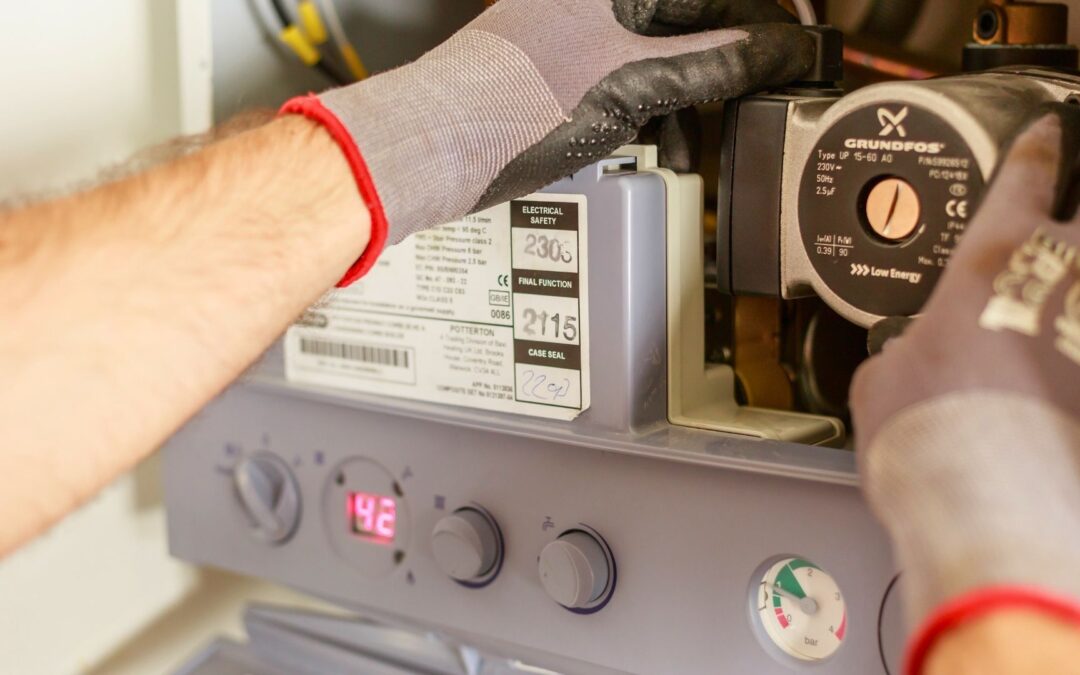
The first and most important step to prevent winter disasters is scheduling professional boiler maintenance before the cold weather hits. A qualified HVAC technician can inspect your entire system, test for leaks, clean the burners, and check safety controls.
A typical boiler maintenance visit includes:
- Inspecting the heat exchanger for cracks or corrosion.
- Testing safety valves and pressure controls.
- Flushing and descaling the system to remove mineral buildup.
- Checking the expansion tank and refill pressure.
- Inspecting the condensate pipe and ensuring it’s insulated.
- Testing the thermostat and heating controls for accuracy.
This thorough inspection ensures that your boiler is running efficiently and that any minor problems are addressed before they become emergencies.
Step 2: Insulate Your Pipes and Boiler System
Michigan winters can freeze exposed pipes in hours. To avoid a plumbing catastrophe, insulate all water lines—especially those running through unheated areas like garages, crawl spaces, attics, and basements.
Tips for effective insulation:
- Use foam pipe sleeves or rubber insulation to wrap around exposed pipes.
- Pay special attention to outdoor spigots and condensate drain lines connected to your boiler.
- Add extra insulation around your boiler unit, particularly if it’s installed in a drafty or cold basement.
Step 3: Maintain a Consistent Indoor Temperature
A common mistake Michigan homeowners make is lowering the thermostat too much when leaving the house or going to bed. While this might save on energy costs temporarily, it can put your plumbing at risk.
Best practices:
- Keep the thermostat set no lower than 55°F, even when away.
- Use programmable thermostats to maintain steady heat during peak freeze hours (overnight and early morning).
- Open cabinet doors under sinks to allow warm air to circulate around pipes.
Step 4: Check for Drafts and Seal Air Leaks
Cold drafts can reduce your boiler’s effectiveness and cause localized pipe freezing. Inspect your home for gaps around windows, doors, and vent openings.
Quick fixes include:
- Applying weatherstripping or caulking to seal leaks.
- Adding insulated curtains to keep heat in.
- Using door draft stoppers to block cold air from entering under doors.
Step 5: Protect the Condensate Pipe
One of the most common causes of boiler failure in winter is a frozen condensate pipe. This pipe drains condensation from the boiler to the outside. When it freezes, it can cause your boiler to shut down and display an error code.
To prevent freezing:
- Insulate the external portion of the condensate pipe with thick foam.
- Keep the pipe as short as possible and angled downward to allow continuous drainage.
- If freezing occurs, gently pour warm (not boiling) water over the pipe to thaw it safely.
Step 6: Bleed Radiators and Check Pressure Levels
Uneven heating and cold spots in your home often indicate trapped air in your radiators or low boiler pressure. Both can reduce your system’s efficiency.
To correct this:
- Turn off your boiler and allow it to cool.
- Use a radiator key to open the bleed valve slightly until water drips out.
- Close the valve tightly and check the boiler’s pressure gauge.
- Refill the system to the manufacturer’s recommended pressure level if needed.
Step 7: Keep the Boiler Area Clear and Ventilated
Boilers require adequate ventilation for combustion and airflow. Cluttered or obstructed boiler areas can trap heat, moisture, or fumes, causing the system to overheat or malfunction.
Maintenance checklist:
- Keep a three-foot clearance around the boiler.
- Ensure vents and flues are free from snow or debris.
- Never store flammable materials near your boiler.
Step 8: Test Your Backup Power Source
Michigan’s winter storms often cause power outages. Since many modern boilers rely on electrical components (even gas systems), a power failure can shut down your heat entirely.
Consider installing a home generator to keep your boiler running during blackouts. If you already have one, make sure it’s serviced and ready before winter hits.
Many HVAC professionals who perform boiler maintenance also offer generator installation and maintenance services, ensuring full home preparedness.
Step 9: Keep an Eye on Warning Signs
Even with regular maintenance, problems can develop. Knowing the early warning signs helps you act quickly before small issues turn into big emergencies.
Watch for:
- Unusual banging, whistling, or gurgling noises
- Inconsistent heating
- Pilot light frequently going out
- Water leaks near the boiler
- Rising energy bills
Step 10: Know When It’s Time for an Upgrade
If your boiler is more than 15 years old, struggles to heat your home evenly, or requires frequent repairs, replacement may be more cost-effective. Modern high-efficiency boilers can drastically lower your heating bills and reduce environmental impact.
Your technician can assess your system’s condition during your annual boiler maintenance and recommend upgrades that fit your budget and comfort goals.
Keep Your Home Safe, Warm, and Efficient This Winter
Michigan winters are tough, but your home doesn’t have to suffer. With proper preparation, insulation, and most importantly, regular boiler maintenance, you can prevent frozen pipes, extend your system’s lifespan, and maintain a cozy, energy-efficient home even in subzero temperatures.
Contact the Local Experts for Reliable Boiler Maintenance
Don’t wait for the first freeze to test your heating system. Schedule boiler maintenance with the trusted professionals at It’s Your Heating and Cooling Guy. Our experienced technicians provide expert inspections, repairs, and winter prep services to keep your home comfortable all season long.
Contact It’s Your Heating and Cooling Guy today to schedule your boiler service and stay warm this winter.
Recent Comments